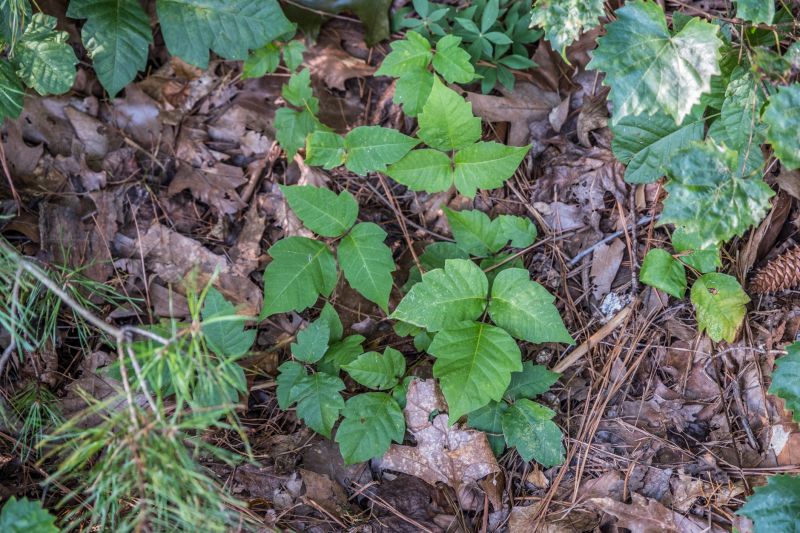
Poison Oak Removal in Burlington County, NJ
Poison oak removal services focus on safely eliminating this invasive and potentially harmful plant from residential properties. These services typically cover projects such as clearing overgrown areas, landscaping around yards, removing poison oak from fences or structures, and maintaining outdoor spaces to prevent regrowth. Property owners often seek this service to protect family members, pets, and visitors from contact with the plant, which can cause skin irritation and allergic reactions. Before requesting removal, it’s helpful to understand the extent of the infestation, the accessibility of affected areas, and any specific concerns about nearby plants or structures.
Homeowners should consider the size and location of the poison oak growth when planning for removal. It’s important to identify whether the plant is growing in hard-to-reach spots or near valuable landscaping, as this can influence the approach taken. Additionally, understanding the potential for regrowth and whether ongoing maintenance is needed can help in planning long-term property care. Clarifying these details in advance ensures that the removal process aligns with safety needs and property goals.
Many property owners in Burlington County, NJ look into Poison Oak Removal for repairs, replacements, upgrades, and appearance-related improvements.
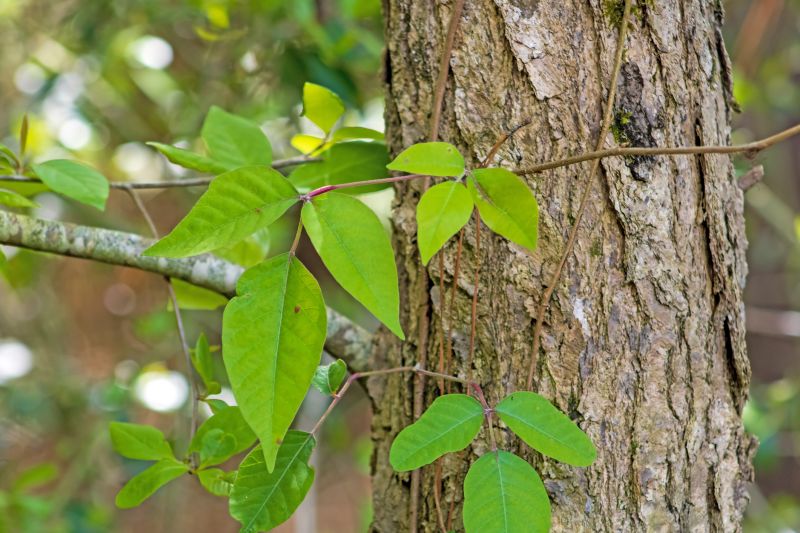
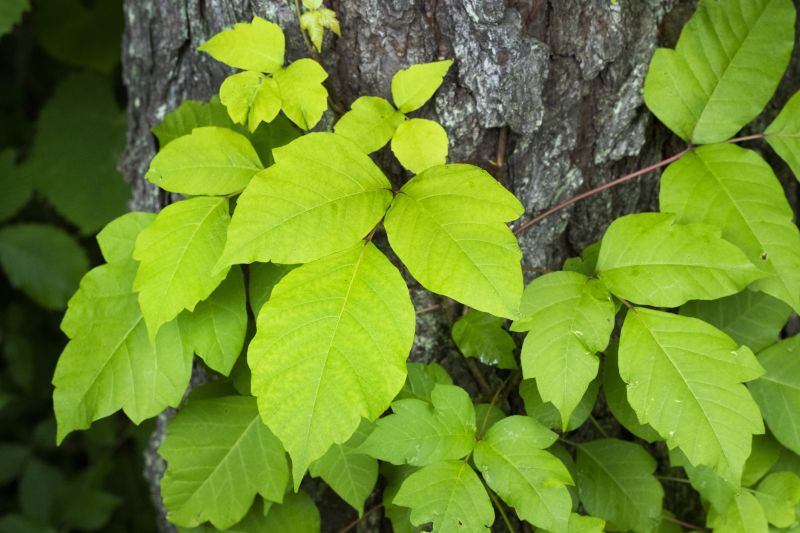
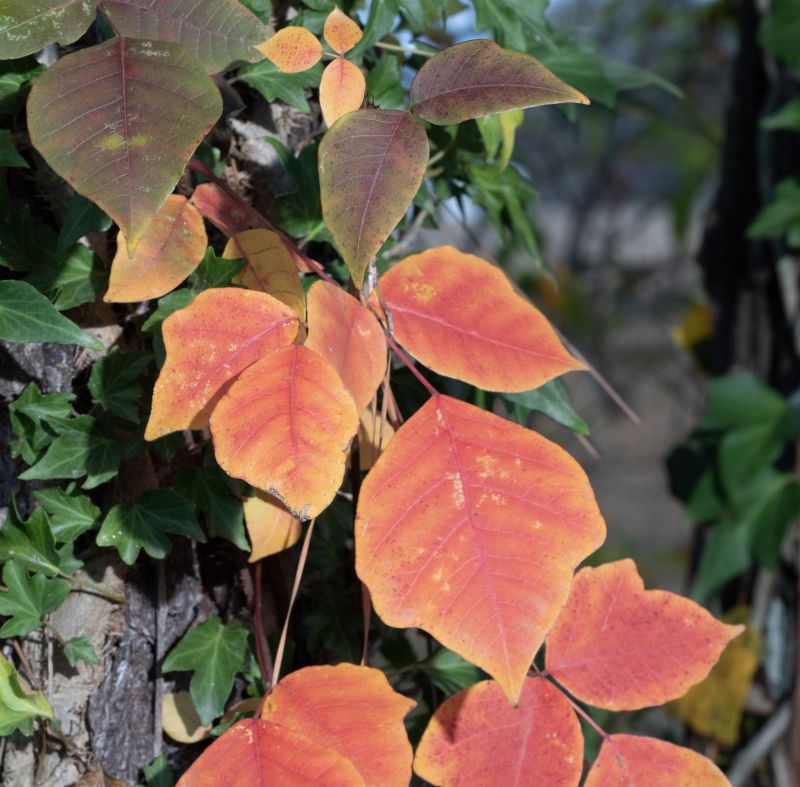
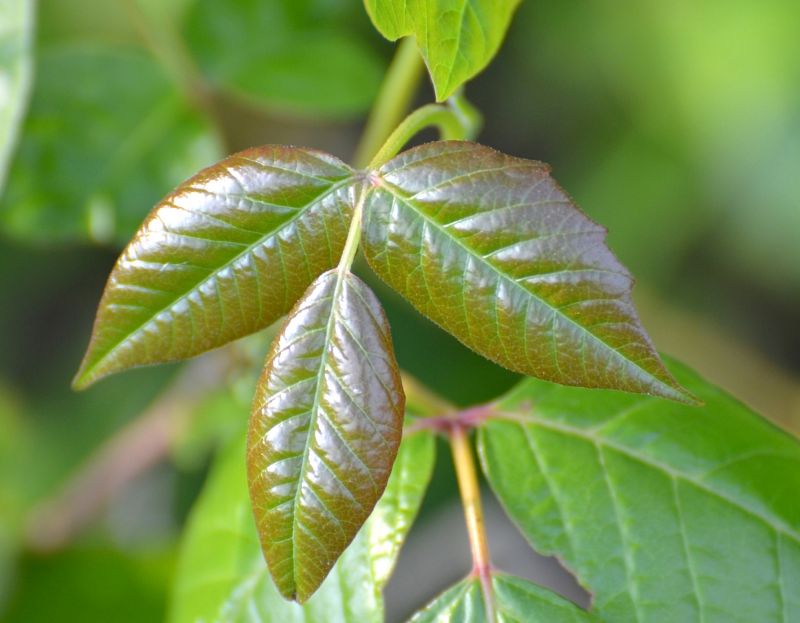
Poison Oak Identification
Recognizing poison oak is essential for safe removal and prevention on residential and commercial properties in burlington county.
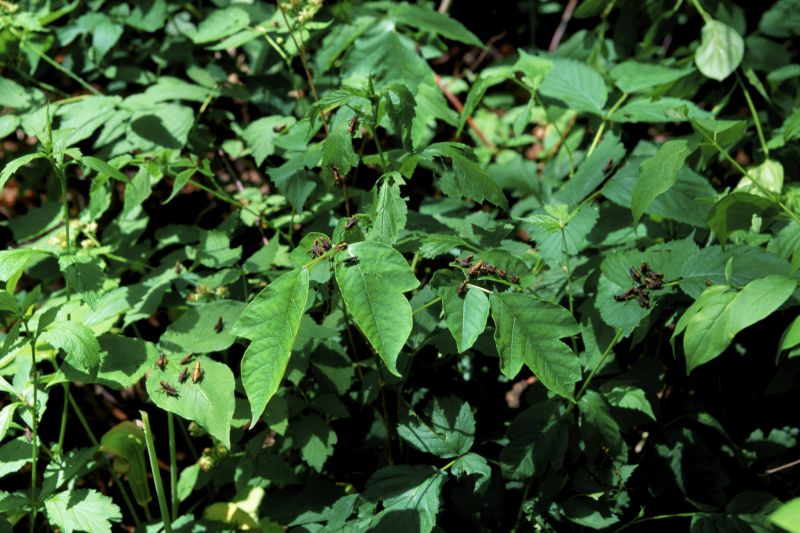
Hazard Prevention
Removing poison oak helps protect families, pets, and workers from skin irritation and allergic reactions.
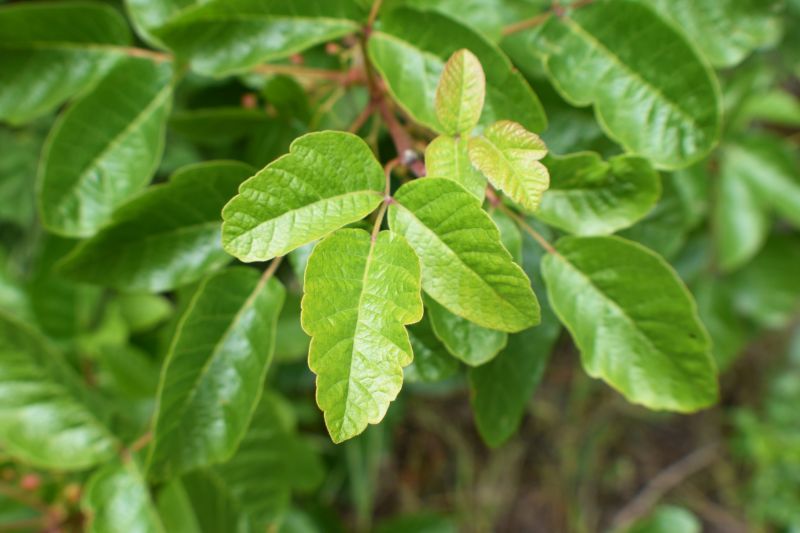
Property Maintenance
Proper removal of poison oak contributes to a cleaner, safer outdoor environment for gardens, lawns, and recreational areas in the community.
Poison Oak Removal in Burlington County, NJ
Poison oak removal services focus on safely eliminating this invasive and potentially harmful plant from residential properties. These services typically cover projects such as clearing overgrown areas, landscaping around yards, removing poison oak from fences or structures, and maintaining outdoor spaces to prevent regrowth. Property owners often seek this service to protect family members, pets, and visitors from contact with the plant, which can cause skin irritation and allergic reactions. Before requesting removal, it’s helpful to understand the extent of the infestation, the accessibility of affected areas, and any specific concerns about nearby plants or structures.
Homeowners should consider the size and location of the poison oak growth when planning for removal. It’s important to identify whether the plant is growing in hard-to-reach spots or near valuable landscaping, as this can influence the approach taken. Additionally, understanding the potential for regrowth and whether ongoing maintenance is needed can help in planning long-term property care. Clarifying these details in advance ensures that the removal process aligns with safety needs and property goals.
Many property owners in Burlington County, NJ look into Poison Oak Removal for repairs, replacements, upgrades, and appearance-related improvements.
Common Poison Oak Removal Jobs
Poison Oak Removal - safely eliminates poison oak from residential and commercial landscapes.
Landscape Clearing - removes poison oak to prepare areas for planting or construction.
Property Maintenance - controls poison oak growth to prevent spread and protect outdoor spaces.
Vegetation Management - targets poison oak in difficult-to-reach areas for thorough removal.
Brush and Bush Removal - clears overgrown areas to reduce poison oak exposure risks.
Site Restoration - restores landscape appearance after poison oak removal efforts.
Poison Oak Removal Questions
What is poison oak removal? Poison oak removal involves safely eliminating the plant to prevent skin irritation and reduce its spread on the property.
When should poison oak be removed? Removal is recommended when poison oak is growing in high-traffic areas, near children’s play zones, or where it poses a risk of contact.
How is poison oak removal typically done? The process usually includes carefully cutting and removing the plants, followed by proper disposal to prevent regrowth.
Does poison oak removal affect nearby plants? Proper removal techniques minimize impact on surrounding vegetation and landscape features.
Request Poison Oak Removal in Burlington County, NJ
Use the quote form on this page to share the basics of your project and request more information for the type of work you need.